ChaosProtector 2.8.0: CLion and MinGW-w64 Support
ChaosProtector 2.8.0 adds production support for Windows PE binaries built with CLion and MinGW-w64, including COFF and MAP symbols, TLS-safe import protection, and conservative GCC exception handling.
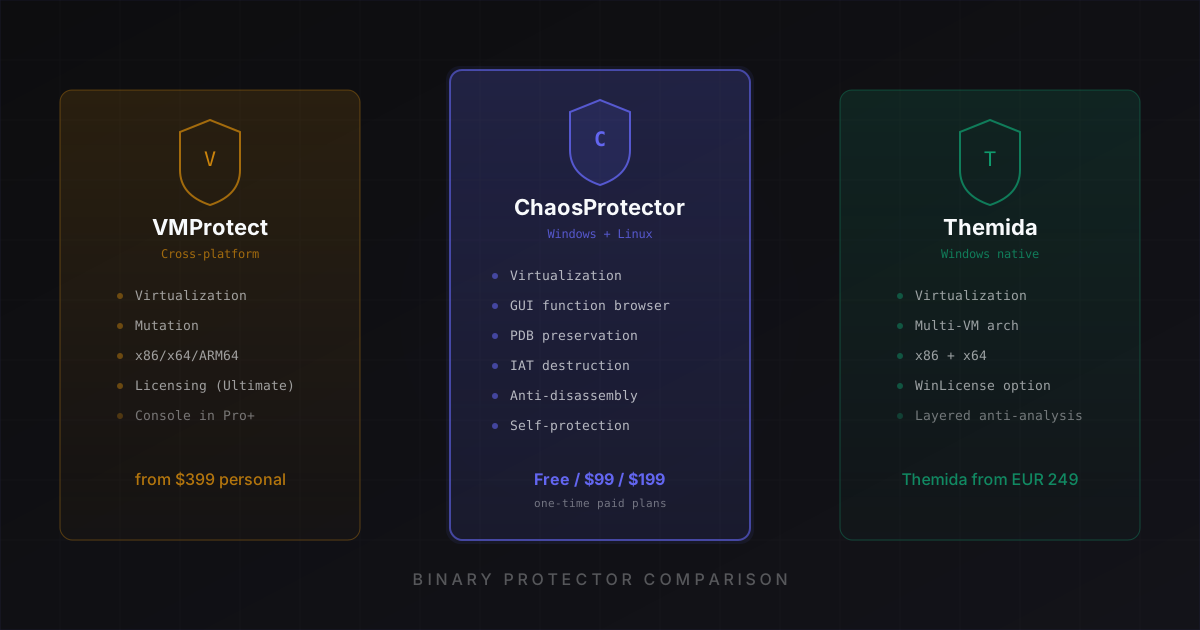
VMProtect vs Themida vs ChaosProtector: 2026 Comparison
Compare VMProtect, Themida, WinLicense, and ChaosProtector in 2026 across virtualization, platforms, licensing, workflow, pricing, and best-fit use cases.
.NET Code Protection in 2026: Why Most Obfuscators Fail Against dnSpy and de4dot
Learn why ConfuserEx and free .NET obfuscators fail against dnSpy and de4dot. Discover the 5 layers of real C# code protection including IL virtualization, string encryption, and anti-tampering that actually work.
How to Protect Go Binaries from Reverse Engineering in 2026
Go binaries leak function names, file paths, and string literals through pclntab metadata. Learn why Garble is failing and how to protect Go executables with post-compilation obfuscation and string encryption.
How Crackers Steal Your Godot Game in Under 60 Seconds (And How to Stop Them)
Godot games are the easiest to reverse engineer of any major engine. Your encryption key is extracted in 50ms, your entire project recovered with drag-and-drop. Here is exactly how it happens and what you can do about it.
Protecting Linux ELF Binaries from Reverse Engineering in 2026
Linux binaries are easier to reverse engineer than Windows PE files. Ghidra, radare2, and gdb are mature, free, and standard on every Linux developer machine. Here is why strip and UPX do not protect anything, and what real Linux binary protection actually looks like.
Protecting Python Executables: Why PyArmor and PyInstaller Aren't Enough
PyInstaller bundles are trivially extracted. PyArmor was cracked in 2025. Learn the only reliable way to protect Python applications: compile with Nuitka, then apply native binary protection.
Rust Binary Protection: Why Compilation Alone Isn't Enough
Rust compiles to native code, but panic messages, debug symbols, and string literals remain readable. Learn why existing Rust obfuscation tools fail and how to protect Rust binaries with post-compilation virtualization.
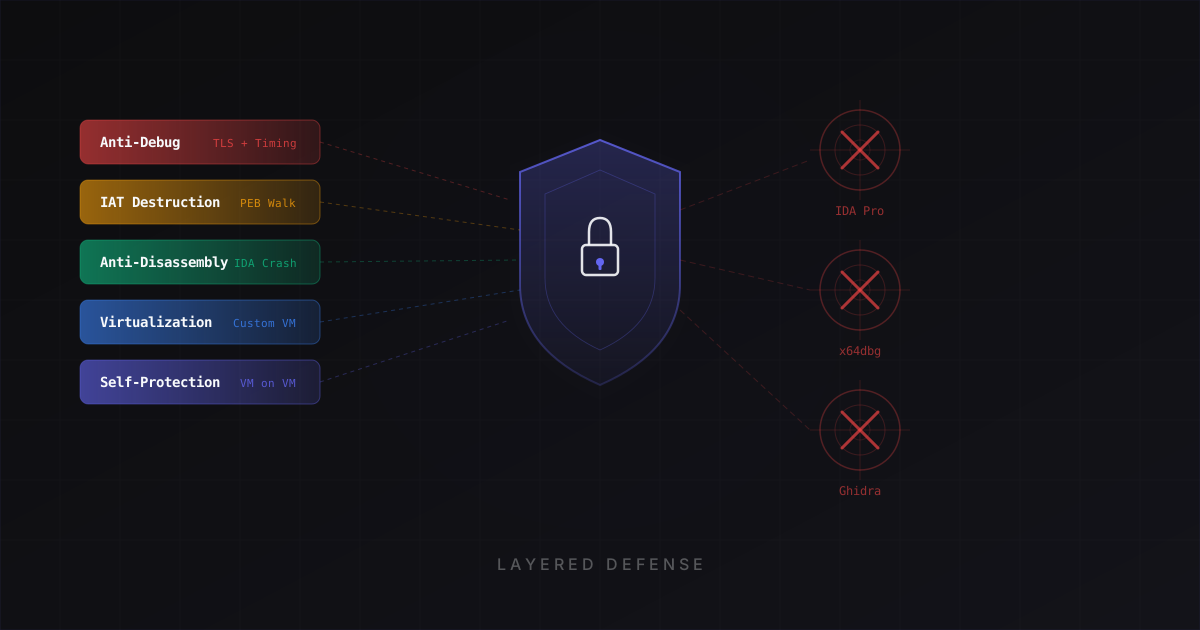
How to Protect an EXE from Cracking and Reverse Engineering
A practical Windows EXE protection guide covering import hardening, anti-disassembly, anti-debugging, code virtualization, testing, and trade-offs.
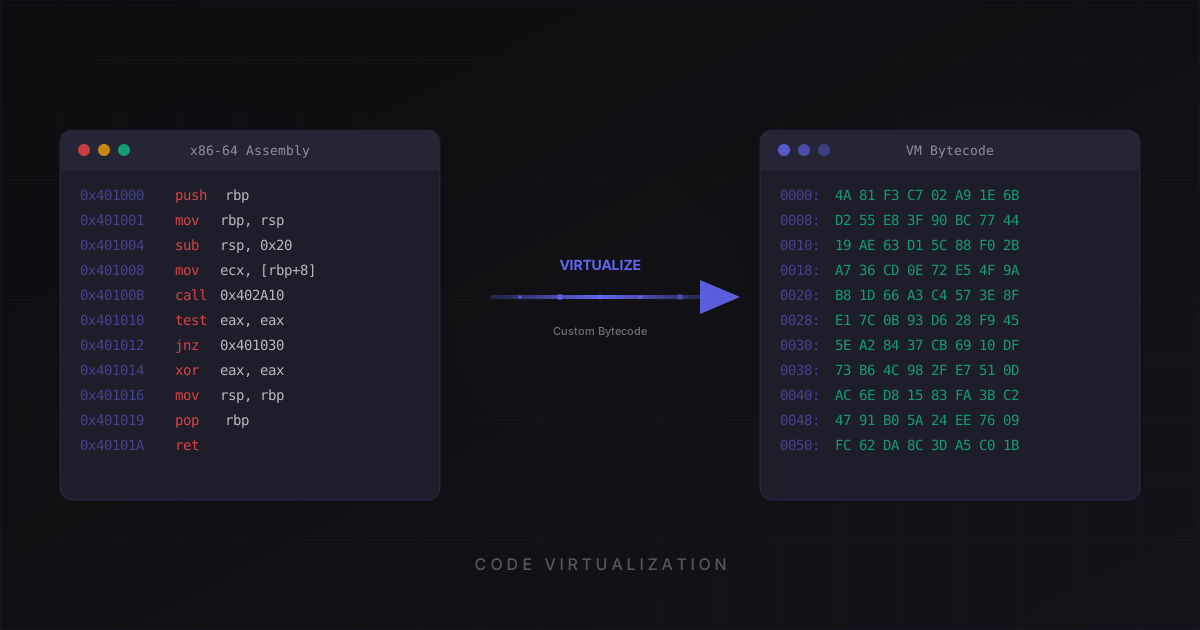
Code Virtualization: How It Protects Windows Software
Learn how code virtualization replaces native instructions with custom bytecode, what it can and cannot prevent, and how to evaluate performance trade-offs.

© 2026 ChaosProtector. Todos os direitos reservados.